

Designing Movement for a Playable Screw
A deep dive into physics, control, and embodiment in Screwed
Published April 6th
Author Riley Dulak

Screwed is a physics-driven puzzle game built around a deliberately unconventional premise: the player does not control a character, creature, or vehicle, but instead plays as a screw. This decision immediately reframes how movement is designed and understood. Rather than borrowing established conventions such as running, jumping, or dashing, the game asks the player to engage with movement through the physical logic of an everyday object. The screw’s limitations are not obstacles to work around, but the core of the experience itself.
Because of this, movement in Screwed is inseparable from the game’s identity. Every puzzle and interaction is constructed around how the screw moves both independently and in relation to other objects. Understanding the screw’s behavior becomes the primary way the player learns the game, making movement a form of discovery rather than a background system.
Free Movement and Physical Behavior
When the screw is not embedded in an object, it exists fully within the game’s physics simulation. Gravity pulls it downward, collisions transfer momentum, and angled surfaces cause it to ricochet rather than settle neatly in place. This results in a bouncing behavior that feels slightly unpredictable, reinforcing the idea that the screw is heavy, rigid, and not designed for smooth traversal.
This unpredictability is intentional. By allowing the screw to bounce and tumble, the game encourages players to think ahead and anticipate outcomes rather than react instantaneously. Movement becomes less about precision inputs and more about understanding momentum and timing. At the same time, the bouncing introduces a playful quality that aligns with the game’s tone, making even small movements feel dynamic and physical.
To balance this chaos, the player is given the ability to force the screw into a rolling state with the press of a button. When rolling on its side, the screw moves in a more controlled and predictable manner, allowing players to line up interactions, navigate narrow platforms, or prepare for a deliberate launch. This mechanic gives the player a sense of agency without undermining the physicality of the screw, creating a constant push and pull between control and instability.

Transitioning Between Movement States

A key design goal for screw movement was ensuring that no single state felt universally optimal. Bouncing allows for rapid traversal and unexpected solutions, but it sacrifices precision. Rolling offers control, but at the cost of speed and momentum. Players are encouraged to shift fluidly between these states, responding to the environment rather than relying on a fixed strategy.
This constant state-switching adds depth without increasing mechanical complexity. The player is not memorizing new abilities as the game progresses, but instead developing a better understanding of when to embrace chaos and when to rein it in. Over time, this creates a learning curve that feels natural and rewarding, as mastery emerges from familiarity rather than explicit instruction.
Embedding and Object-Based Movement
The most distinctive movement mechanic in Screwed occurs when the player flings the screw into a screwable object. Once embedded, the screw ceases to function as a freely moving entity and instead becomes part of the environment. At this point, player control shifts from the screw itself to the object it is attached to.
This transformation fundamentally changes how movement is experienced. Instead of navigating space directly, the player manipulates larger elements of the world, using the screw as an anchor point or handle. Objects can be rotated, dragged, or repositioned, allowing the player to solve puzzles by reshaping the environment rather than moving through it. The act of unscrewing restores direct control, returning the player to free movement and setting up a repeating cycle of attachment and detachment.
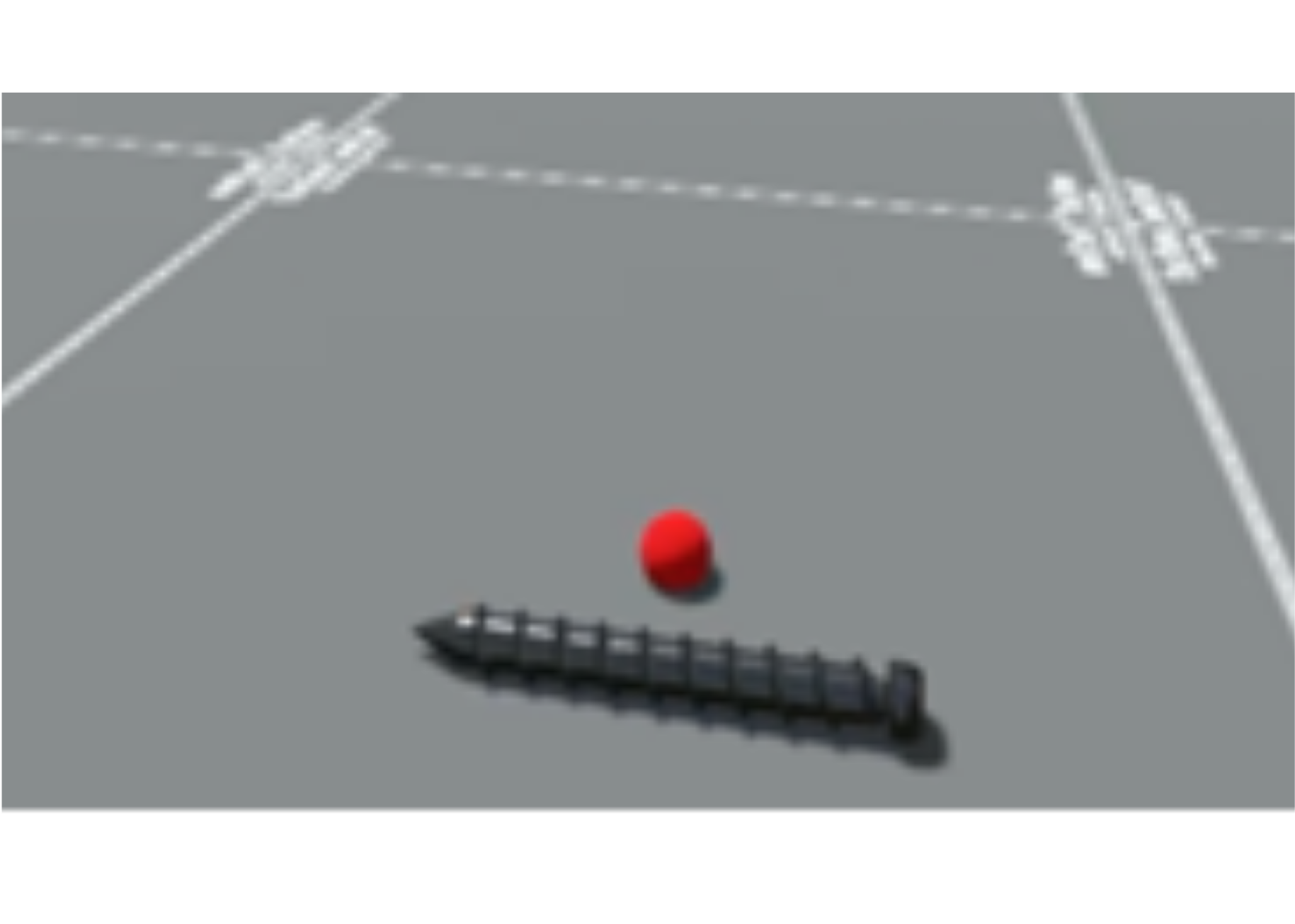
This mechanic reinforces the central fantasy of the game. The screw is not simply a tool used by the player; it is the player. Becoming embedded in an object feels like a natural extension of that identity rather than a contextual interaction layered on top of the movement system.
Design Philosophy and Player Experience
What makes this movement system effective is its consistency. Every mechanic is rooted in the physical properties of a screw, which helps players form a coherent mental model of how the game works. Movement does not feel arbitrary or symbolic; it feels functional and grounded.
By designing movement around object embodiment, Screwed encourages players to think mechanically rather than reflexively. Success comes from understanding weight, rotation, and attachment rather than executing complex inputs. This approach lowers the barrier to entry while still allowing for depth and experimentation, making the game accessible without sacrificing challenge.
Movement in Screwed is not a neutral system that simply moves the player from one point to another. It is the primary way the player understands the world and their role within it. By centering movement on physics-based behavior and object integration, the game creates a cohesive experience where mechanics, theme, and player identity are tightly aligned. This movement system also serves as a foundation for future mechanics, all of which build upon the same principles of physical interaction and environmental manipulation.
Read More…

