A Puzzling Question?
(What makes a good puzzle? )
Published May 2nd
Author Will Rodgers
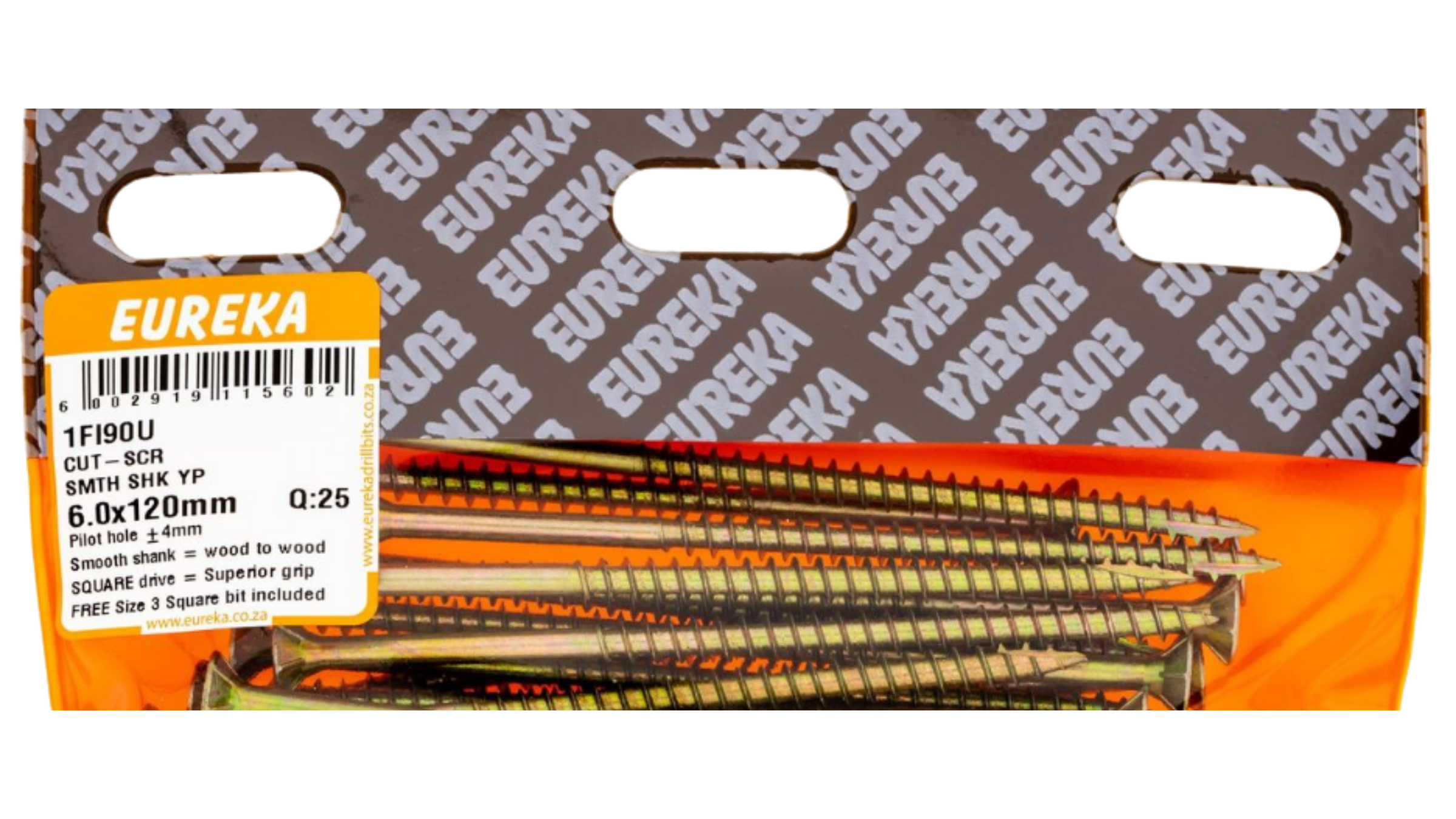
This goes beyond a “Eureka!” moment. In typical puzzle design, the puzzle will have a single definitive solution and the player’s sense of accomplishment and cleverness is tied to deducing that solution. We realized that Screwed can’t follow that design philosophy; a major element of the player’s enjoyment in our game is discovery and emergent gameplay with player-controlled objects.
Affordances are common and subtle
Striking a balance between helping the player and not holding their hand through a puzzle is a delicate endeavor. The unique and unusual capabilities of the player character mean that player frustration is a high-risk factor, while the nature of a puzzle game makes handholding similarly a high-risk factor in ruining the player’s sense of accomplishment. The conclusion drawn was that Screwed’s level design needs to lead the player without pushing them. The highlighting mechanic was partially born of this; a helpful affordance to the player, but entirely controlled by the player, making them feel responsible for the help it gives them.
While our game neatly fits within the genre of “Puzzle-Platformer”, one of the challenges in designing puzzles around this game is recontextualizing to fit the player character: a screw that can control objects. Such a unique character. with dynamic mobility and capabilities, meant thinking about spaces in an entirely different way while still trying to design a world understood by the player.
Block-outs and gray-boxing proved to be integral for early prototyping and level design decisions. Godot’s lightweight engine made this quick and easy, allowing us to get a good concept of what our world would look like. This gave us a strong sense of our game-space, which helped in designing and theming puzzles later.
We could take a few notes from what we knew about good puzzles in general; we want a “Eureka!” moment when players figure out a solution, puzzles should be clearly defined, etc. These core ideas led us to abstract the original question we asked –what are good puzzles for our game– to simply, “what makes a good puzzle?” This helped us identify our fundamental priorities.
The player should feel clever.
Read More…