

Designing Narrative Through A Visual Language
Published Mar 8th
Author Quincy Aaron
In Screwed, narrative is not something that exists separately from the mechanics of the game. It is communicated through action, the current state of the home, and visual language rather than traditional dialogue, text, or a clearly displayed storyline. Because the game relies on unconventional mechanics and physical interaction, our approach to narrative and script design focused on how players move through and interact with the space.
At the core of Screwed is a character whose relationship with the environment is defined by screwing into and out of objects. This mechanic functions as more than movement. It acts as the driving force of the narrative. The effort required to traverse the world contributes to an implied story. Instead of explicitly telling the player why the world exists this way, we allow those ideas to emerge through interaction.
One of the earliest narrative decisions we made was to avoid relying on written text or dialogue to explain the world. From the start, Screwed was designed to communicate information visually and mechanically. This meant treating color, shape, and material as part of the game’s narrative “script,” guiding the player’s understanding of what the world allows them to accomplish or interact with.
At the core of Screwed is a character whose relationship with the environment is defined by screwing into and out of objects. This mechanic functions as more than movement. It acts as the driving force of the narrative. The effort required to traverse the world contributes to an implied story. Instead of explicitly telling the player why the world exists this way, we allow those ideas to emerge through interaction.
One of the earliest narrative decisions we made was to avoid relying on written text or dialogue to explain the world. From the start, Screwed was designed to communicate information visually and mechanically. This meant treating color, shape, and material as part of the game’s narrative “script,” guiding the player’s understanding of what the world allows them to accomplish or interact with.
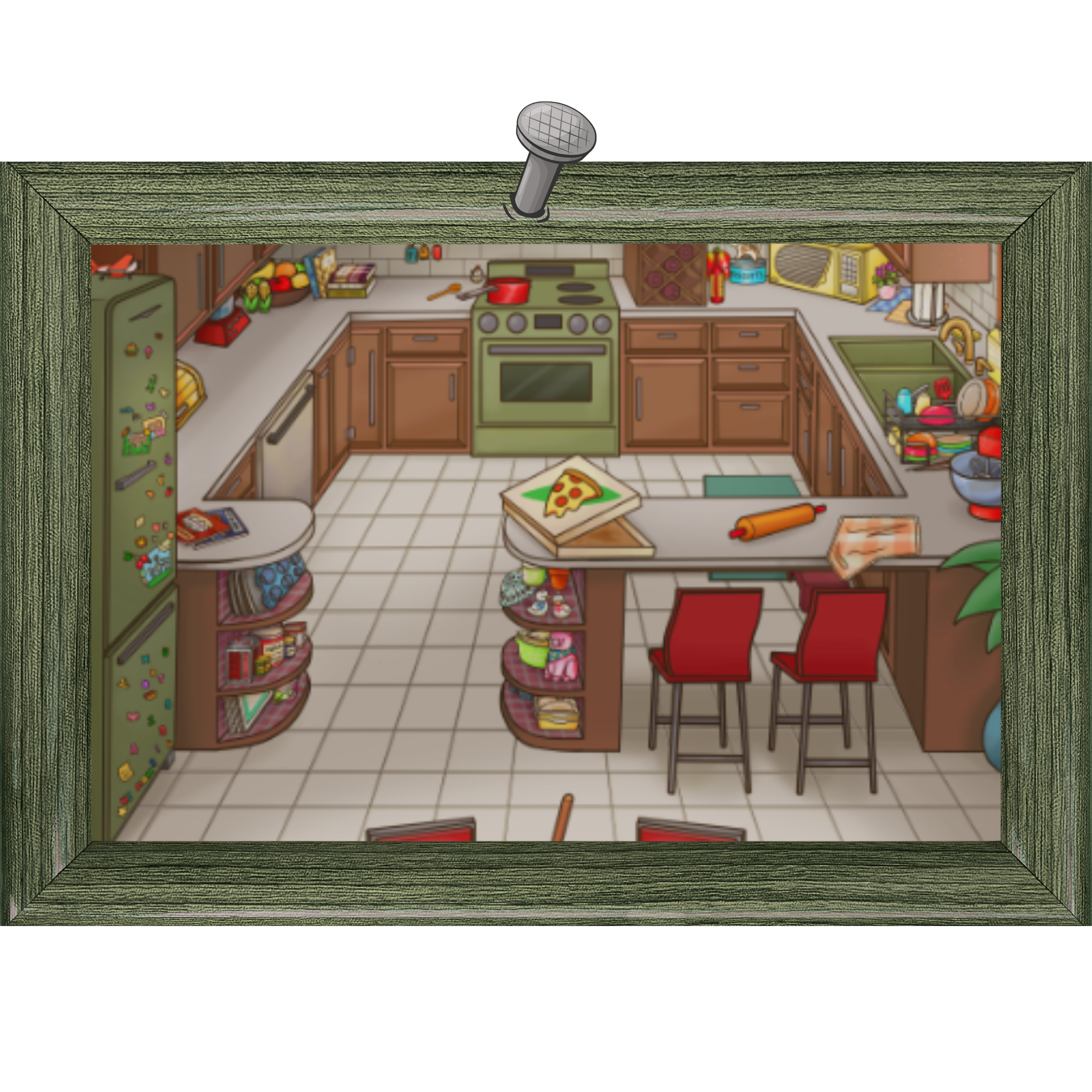
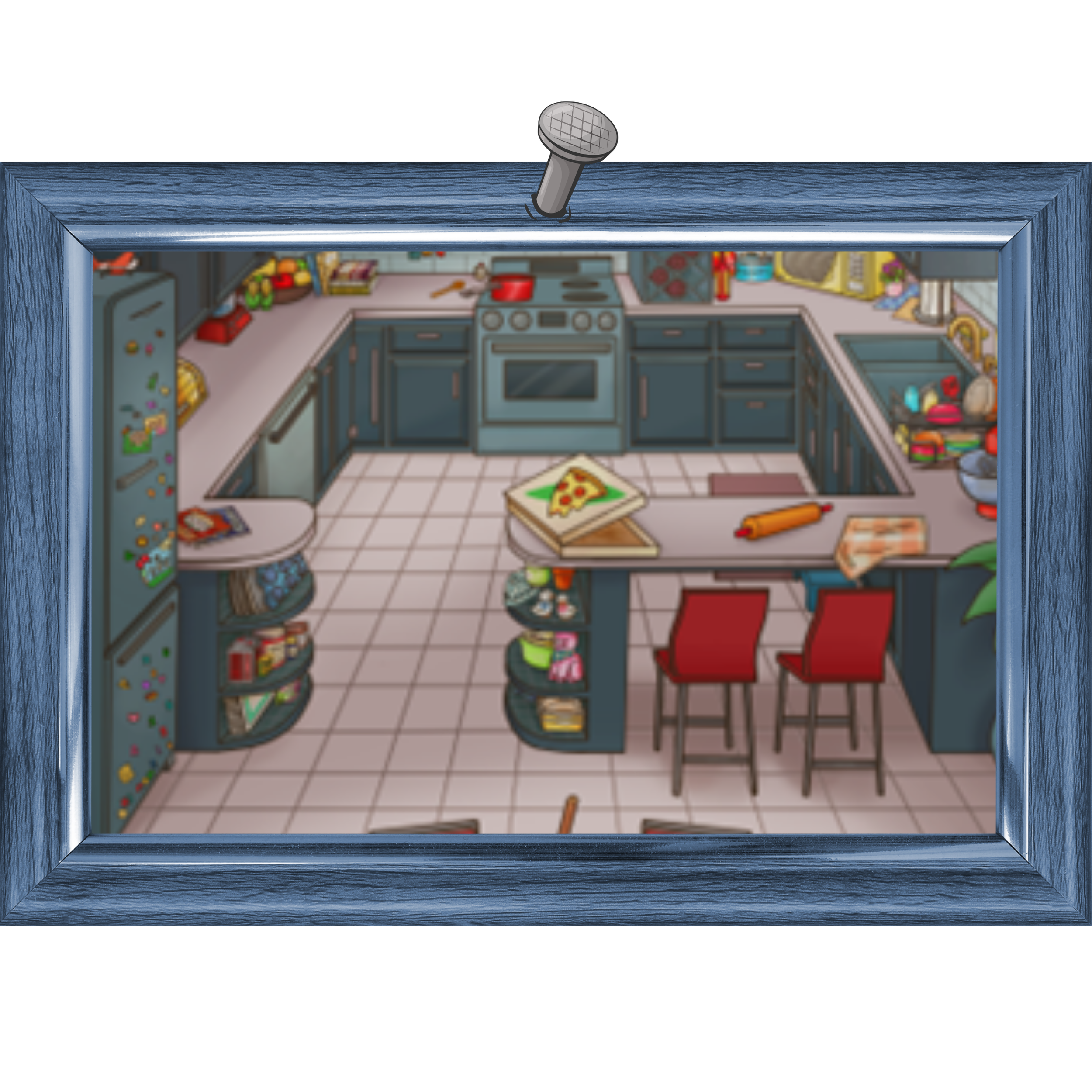
Early on, warm tones indicated usability, while cooler tones suggested inaccessibility. While this created a quick and intuitive read, relying on color alone began to feel rigid over time. As development progressed, color was softened and paired with other cues rather than functioning as a strict rule.
Material choice, shape language, and subtle highlighting began to share the narrative load. Softer forms, familiar materials, and visible wear suggested interactivity, while harsher surfaces, complex shapes, and materials like glass, metal, and stone implied resistance. Usability became something the player learned to recognize, much like reading tone or subtext in a script.
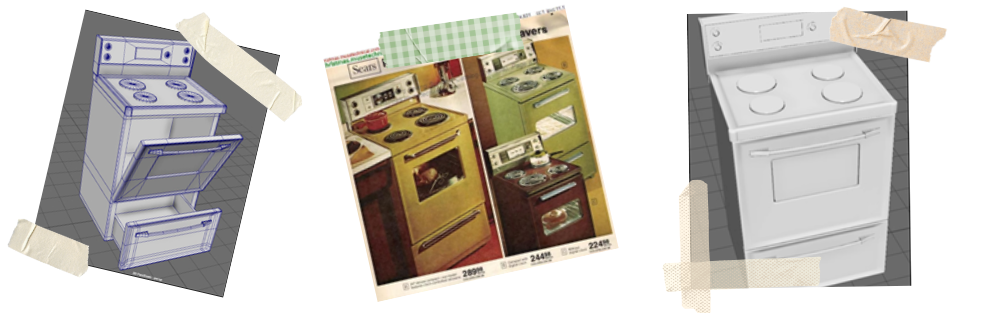
The environment also carries an implied backstory. Screwed takes place inside a lived-in home belonging to a mother and her two young children. Children’s drawings, woodworking tools tied to the mother’s work as a carpenter, and small details suggest their daily life. The house itself was built in the 1960s but our story takes place in the 1990s, reflected through a mix of the original build of the house and period-specific appliances and household items. This environment reinforces the fixer-upper nature of the space and grounds the game’s abstract mechanics in a recognizable setting. In a way, the house itself is a character of its own.
In Screwed, narrative is not delivered through traditional storytelling methods, but constructed through interaction, movement, and environment. The mechanics of screwing into and controlling objects are not separate from the story, they are the story. Every action the player takes contributes to their understanding of the world and their place within it.
At the same time, the environment reinforces this narrative through visual language and implied history. Color, material, and shape guide player behavior, while environmental details ground the experience in a believable, lived-in space. Together, these systems allow the game to communicate without explicitly stating meaning.
Rather than telling the player what the story is, Screwed invites them to interpret it. Narrative emerges through play, through observation, and through the relationship between the player, the space, and the objects within it.
Read More…
